
Food safety from farm to table
Canadian dairy farmers and processors proudly meet some of the highest production and safety standards in the world. From milking to storage, growing feed to inspection and processing, learn more about all the steps we follow to produce milk safely – from our farms to your table.
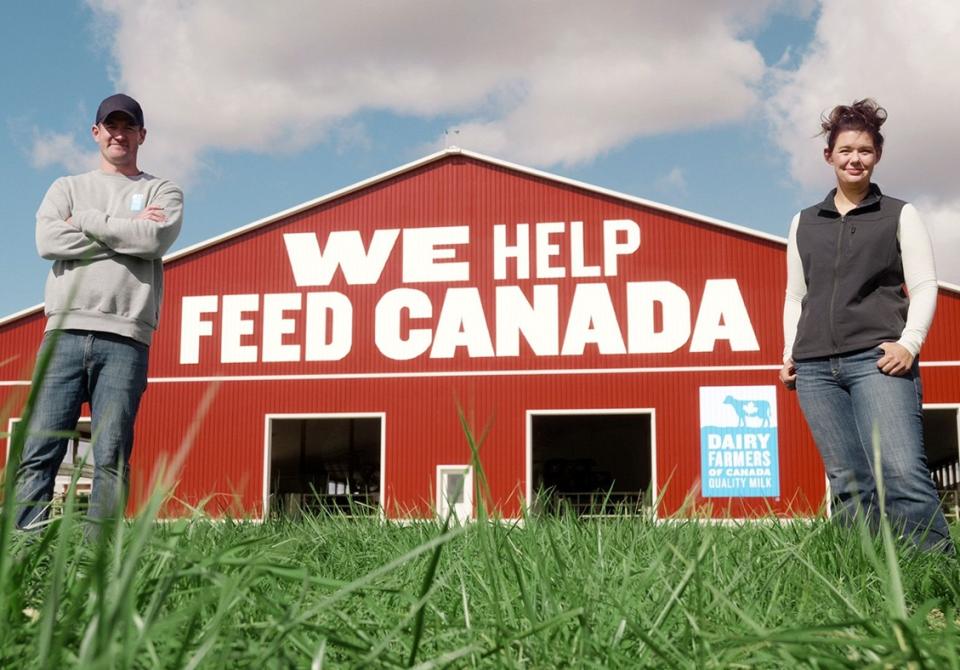
Canadian dairy farmers and processors take pride in meeting some of the highest production and food safety standards in the world. Through proAction®, a national quality assurance program, farmers follow 82 standards and practices, including 42 focused on food safety, to ensure consistent, high-quality milk from coast to coast.
Did you know milk goes from farm to grocery store shelf in just two to three days? From growing feed and caring for cows to milking, storage and processing, every step matters in delivering the high-quality Canadian milk you know and love.
Learn more about how dairy farmers help feed Canada here.
On the Farm: the proAction Program
Several federal and provincial regulations govern Canadian farming. Our dairy farmers have gone above and beyond these standards, coming together to develop and hold themselves accountable to a national quality assurance program called proAction®.
proAction outlines dairy production requirements in six areas: food safety, milk quality, animal care, livestock traceability, biosecurity and the environment. The program provides a common, transparent set of high standards for producing milk responsibly, safely and sustainably. It also helps farmers respond faster to emerging risks.
These checks and balances don’t just stay on the farm, though. For example, every milk load is tested before the milk is accepted at the plant. This prevents traces of antibiotics and other impurities from getting into the milk we drink and dairy products we love.
Cleanliness and Care
The 42 food safety standards start in first-class barns. Farmers make sure their barns are clean and well-ventilated to create a comfortable environment for their cows. Clean conditions are not just about good animal care; they're also key to producing quality food safely.
Cow feed must be safely handled, too1. Different cows and calves require different feed mixes to meet their nutritional needs, so each mix is carefully labelled and stored separately. Any chemicals used on the farm, such as pesticides and herbicides, must also be carefully separated and handled to avoid any cross-contamination (with bedding, feed, water, and other products) or accidental exposure (to animals and people).
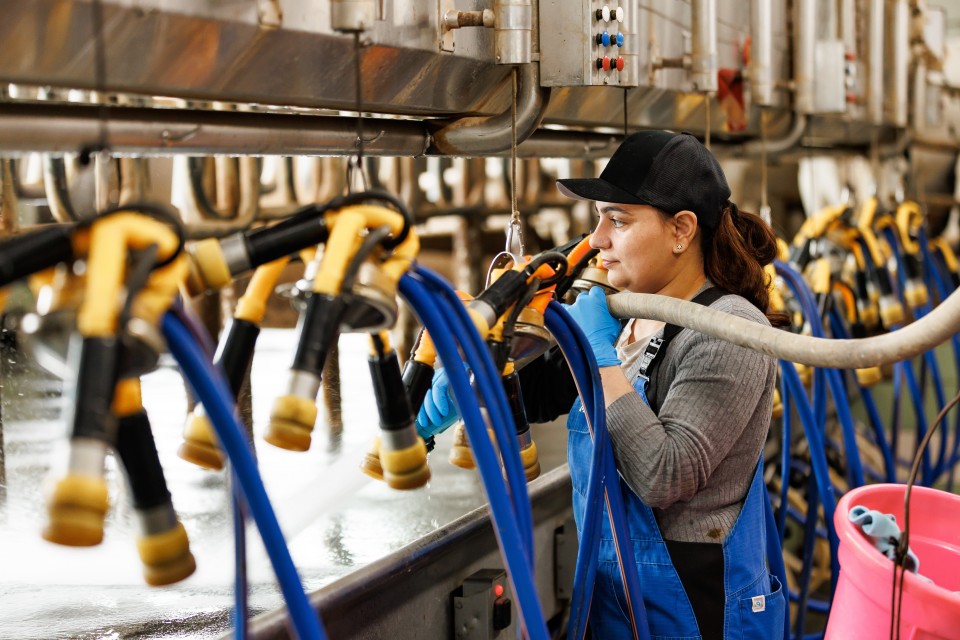
Facing an animal health challenge
proAction’s biosecurity and traceability modules help farmers respond early to an emerging challenge.
Biosecurity2 means farmers manage risks to avoid cows getting sick in the first place and prevent the spread of disease within the farm. Farmers take care of their cows to ensure their cleanliness. They work with veterinarians for oversight and assessment of health and biosecurity risks and strict protocols are put in place on farms to reduce these risks and safeguard animal health. Trustworthy records are also kept diligently as part of all Canadian dairy production.
To ensure traceability, cows are tagged and their movements are tracked in a database. The value of a robust traceability system becomes evident in the event of an animal health emergency: it reduces response times in tracing animals that have been in contact with an identified sick cow, and it helps contain the spread of a disease to those specific farms. Because it is so timely, ensuring traceability mitigates any potential economic, environmental and social impacts.
Testing, Licensing, and Regulations3
All milk produced on Canadian dairy farms is inspected and sampled before it is transported to a processing plant. The milk is tested and analysed for levels of fat and protein, and to verify the absence of antibiotic residues4. The farm sample is also used to verify the quality of every shipment of milk from each farm.
In Canada, everyone involved in milk production and processing must be licensed – even the milk transporters are certified graders of milk. What’s more, like all food industries, the dairy sector in Canada is regulated at the national level by the Canadian Food Inspection Agency5 These federal regulations are in addition to the provincial regulations governing dairy-farming practices, as well as the proAction guidelines outlined above and other standards. All these regulations and standards help consumers be confident that the Canadian dairy products we love are safe and high quality.
Storage, Transportation and Processing
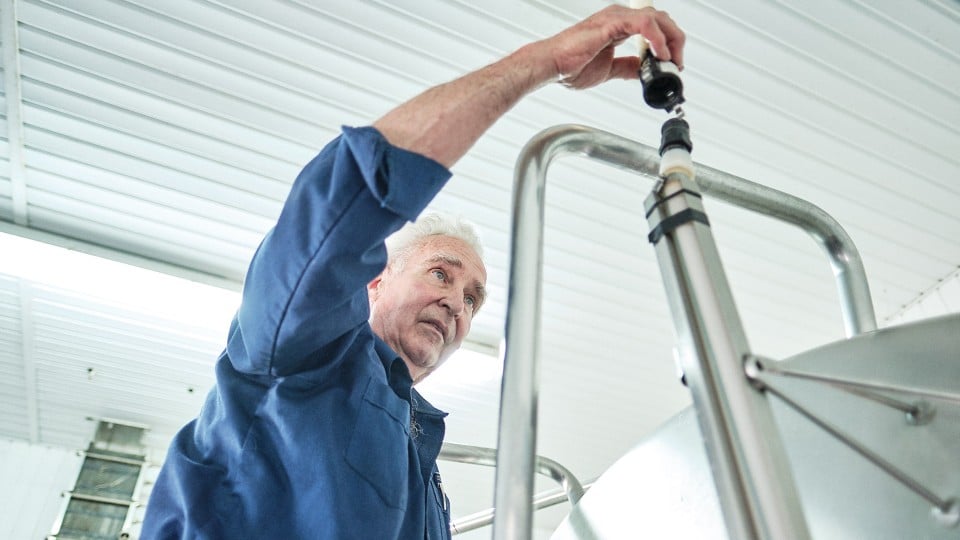
When dairy cows are milked, the milk is cooled and stored on the farm in a stainless-steel bulk tank, at a temperature between 0 and 4°C to prevent bacterial growth. This bulk tank contains the milk collected over the past two days.
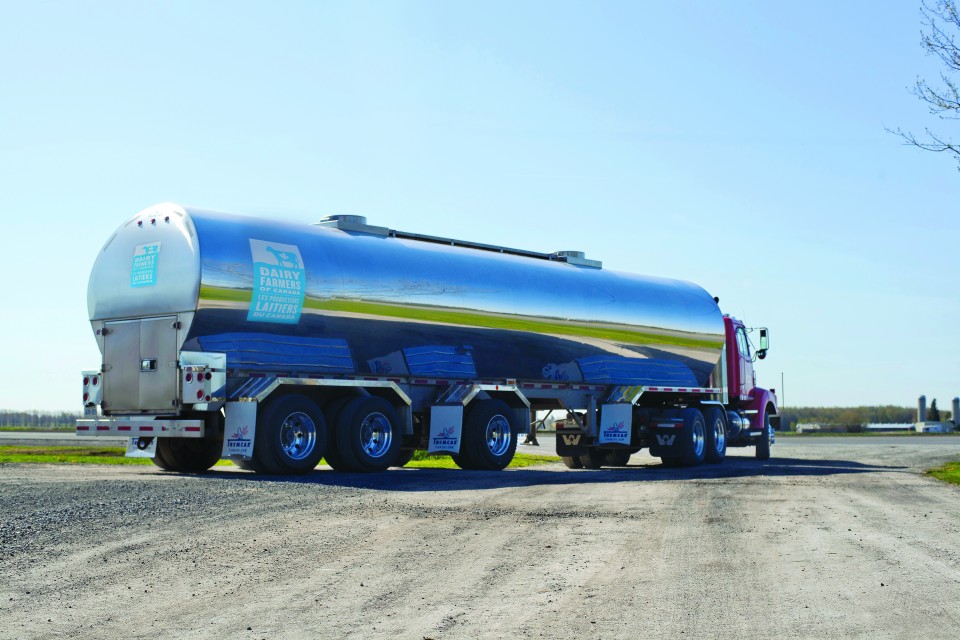
Milk is then transported to a processing facility, where it is pasteurized to effectively eliminate any harmful pathogens. After pasteurization6,7 (the process where milk is typically heated to 72ºC for about 15 seconds to kill harmful microorganisms or pathogens in it), the milk is cooled to 0–4ºC again. From this point on, the "cold chain" must never be broken again, all the way to grocery store shelves. Then, it's up to you to get it into your fridge or freezer and keep it there.
From our Farms to Your Table
When it comes to the milk and dairy products we all enjoy, we consistently set a high bar, then exceed it – and we wouldn’t have it any other way. It’s not just a glass of milk you are pouring, but a commitment to safety and a source of pride for thousands of Canadian dairy farmers and processors.
Sources
1. Government of Canada. "Livestock Feeds" inspection.canada.ca
2. Health Canada. “Setting Standards for Maximum Residue Limits (MRLs) of Veterinary Drugs Used in Food-Producing Animals.” canada.ca
3. Canadian Dairy Information Centre. “National Dairy Code: Production and Processing Requirements.” dairyinfo.gc.ca
4. Dairy Farmers of Canada. “What is Biosecurity?’ dairyfarmers.ca/proAction
5. Government of Canada. “Food Safety Recognition Program.” inspection.canada.ca
6. The Lancet. “Pasteurisation: Pasteur’s greatest contribution to health” Thelancet.com
7. Dietitians of Canada. “Facts on Pasteurization” UnlockFood.ca